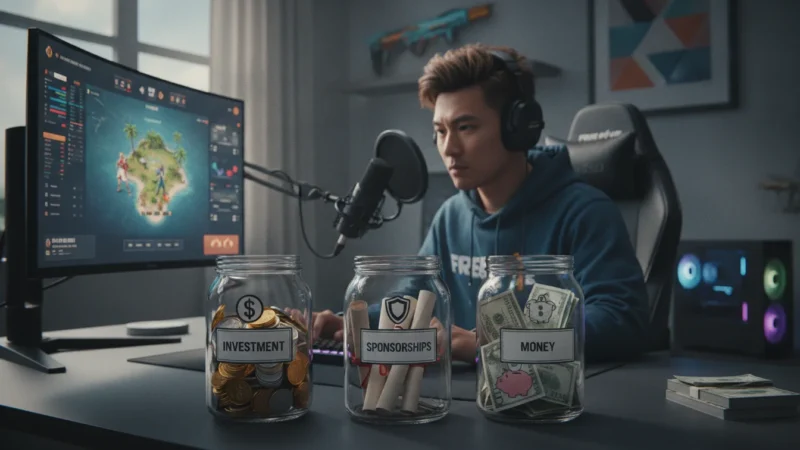
How Much Is a Free Fire Influencer Career Worth? Understand the Income Sources and Investments
|
Getting your Trinity Audio player ready... |
If you’ve ever watched a Free Fire streamer rack up thousands of viewers in a single match and wondered how much money is actually behind that screen, you’re not alone. The world of gaming content creation has exploded over the past decade, and Free Fire — one of the most downloaded mobile battle royale games in the world — has produced a generation of digital influencers who are building real, sustainable careers from their passion. But to truly understand the income sources and investments behind this lifestyle, you need to go deeper than just “they make money from YouTube.
” The reality is far more layered, strategic, and — when done right — genuinely lucrative.
This article breaks down everything you need to know about how much a Free Fire influencer career is worth, from the first Pix payment to six-figure brand deals. Whether you’re a aspiring content creator, a curious viewer, or someone trying to decide if this path is worth pursuing, you’re in the right place. We’re going to talk numbers, platforms, strategies, and the kind of smart investments that separate hobbyists from professionals.
So buckle up — this is the complete guide to Free Fire influencer economics.
Free Fire? Understand the Income Sources and Investments Behind Gaming Content
Before we dive into the big numbers, it’s important to understand that a Free Fire influencer rarely relies on a single income stream. The most financially stable creators build what insiders call a “revenue stack” — multiple overlapping sources of income that protect them when one platform changes its algorithm or a sponsorship deal ends. The main pillars of this stack include platform monetization (YouTube ads, Twitch subscriptions, TikTok Creator Fund), brand sponsorships, merchandise, live donations, affiliate marketing, and competitive prize pools.
Each of these has its own growth curve and requires different types of effort and investment to unlock.
Understanding these income sources is also the first step toward making smart investments back into the career itself. Many beginner influencers make the mistake of treating every real they earn as profit. The professionals reinvest aggressively — in better equipment, in video editing software, in thumbnail designers, in social media managers, and sometimes even in paid promotion to accelerate audience growth.
When you truly understand the income sources and investments involved in a Free Fire creator career, you stop seeing it as a hobby and start seeing it as a business.
Platform Monetization: Where the First Paychecks Come From

For most Free Fire influencers starting out, YouTube AdSense is the gateway drug of monetization. Once a channel hits 1,000 subscribers and 4,000 watch hours, it qualifies for the YouTube Partner Program, unlocking ad revenue. In the gaming niche, CPMs (cost per thousand impressions) tend to be lower than in finance or tech content — typically between $1 and $4 USD per thousand views in Brazil-focused markets — but volume more than compensates.
A channel pulling 500,000 views per month could realistically earn between $500 and $2,000 monthly from ads alone, depending on audience geography and ad engagement.
TikTok has become a massive discovery engine for Free Fire content. Short clips of insane plays, funny moments, or tutorial snippets can go viral overnight and funnel tens of thousands of new followers back to a creator’s main channels. The TikTok Creator Fund pays relatively little per view — around $0.
02 to $0.04 per thousand views — but the real value is in the audience growth it fuels. Many mid-tier Free Fire influencers have built their entire initial following through TikTok before monetizing elsewhere.
Meanwhile, Kwai has emerged as another high-traffic platform popular with Brazilian Free Fire audiences, sometimes offering better creator compensation than TikTok for local content.
Twitch and Booyah (Garena’s own streaming platform for Free Fire) complete the live streaming picture. On Twitch, subscriptions start at $4.99/month and the creator typically keeps 50%, meaning a streamer with 500 active subscribers earns around $1,250/month just from subs before donations and bits.
Booyah, while smaller globally, holds a dedicated Free Fire audience and has run exclusive creator incentive programs that pay streamers directly for hours streamed and engagement metrics. Smart influencers are on both platforms simultaneously, using multistreaming tools to maximize reach without doubling their workload.
Brand Sponsorships and Partnerships: The Real Income Multiplier
Here’s where things get genuinely exciting — and where the gap between small and large creators becomes most apparent. Brand sponsorships are the single largest income source for established Free Fire influencers, and they scale dramatically with audience size and engagement. A creator with 100,000 YouTube subscribers might charge R$1,500 to R$3,000 for an integrated mention in a video.
A creator with 1 million subscribers can command R$15,000 to R$50,000 per sponsored post, and those at the 2–5 million subscriber level regularly negotiate deals in the R$80,000–R$200,000 range for campaign packages.
The types of brands that seek out Free Fire influencers are more diverse than most people expect. Obviously, gaming peripheral companies — headsets, mice, keyboards, gaming chairs — are natural partners. But Free Fire’s audience skews young and mobile-first, which attracts telecommunications companies (offering data plans), food delivery apps, energy drinks, clothing brands, banking apps (especially digital banks targeting young adults), and even educational platforms.
Garena itself regularly sponsors creators for events, new character launches, and in-game update promotions, with some top-tier influencers holding formal ambassador contracts worth hundreds of thousands annually.
To attract quality sponsorships, influencers need more than just followers — they need a clean media kit that documents their audience demographics, average views, engagement rates, and past brand partnerships. An engagement rate of 3–7% on YouTube or 5–10% on Instagram is considered strong in the gaming niche and is often more valuable to brands than raw follower count. This is why micro-influencers (10,000–100,000 followers) with highly engaged niche audiences sometimes earn comparable CPM rates to larger creators.
The quality of the relationship with the audience matters enormously.
Donations, Super Chats, and the Power of Community Support
Live streaming opens up a direct income channel that no other content format replicates: real-time audience donations. During Free Fire live streams, viewers can send money through YouTube’s Super Chat feature, Twitch Bits, Pix transfers via QR codes displayed on stream, or third-party platforms like StreamElements and Streamlabs. For many mid-tier streamers, donations represent 20–40% of total monthly income, and the amounts can be surprising.
Regular viewers — often called “superfans” — may donate R$50, R$100, or even R$500 in a single session, especially during milestone celebrations, ranked climbing sessions, or charity streams.
The psychological and community dynamics behind donations are fascinating. Viewers donate not just to support the creator but to be seen — their name appears on screen, the streamer reads it aloud, and they receive acknowledgment in front of thousands of people. This creates a powerful loyalty loop.
Top Free Fire streamers actively cultivate this community by remembering frequent donors by name, creating loyalty programs, and giving exclusive Discord access or custom in-game callouts to top supporters. When done authentically, this transforms passive viewers into active financial supporters who feel genuinely invested in the creator’s success.
It’s also worth mentioning channel memberships on YouTube, which function similarly to Twitch subscriptions. Members pay a monthly fee (starting around R$9.90) for exclusive emojis, member-only videos, early access to content, and custom badges in the live chat.
A channel with 50,000 subscribers might realistically convert 1–2% of its audience into paying members — that’s 500–1,000 members paying monthly, generating R$4,950–R$9,900 in recurring revenue before YouTube’s cut. This predictable, subscription-based income is gold for financial planning.
Competitive Gaming and Tournament Prize Pools
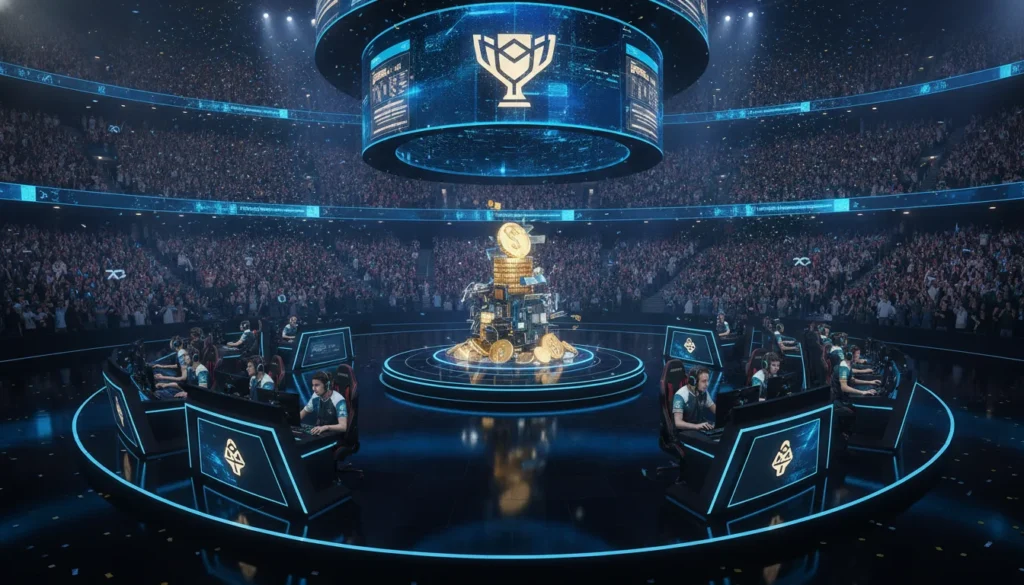
Free Fire has one of the most active esports ecosystems in Latin America. Garena regularly organizes the Free Fire World Series, Free Fire Pro League Brazil (LBFF), and dozens of open qualifier tournaments with prize pools ranging from a few thousand reais to millions. Top competitive teams — many of which have crossover with content creation — can earn significant income purely from tournament winnings.
The LBFF Season 7, for example, distributed millions in prizes across the competitive season.
For influencers who are also skilled players, competitive gaming adds another income dimension. Some creators participate in celebrity tournaments sponsored by brands, where they’re paid appearance fees simply to show up and compete — regardless of results. Others operate as team owners or co-owners of professional esports organizations, receiving organizational revenue from Garena’s league structures, team sponsorships, and content rights.
This ownership model is where some of the most sophisticated Free Fire creators are building long-term wealth, transitioning from solo influencers into esports business operators.
Even at a grassroots level, playing in smaller online tournaments can supplement income. There are now third-party platforms like GamersClub and various Discord-organized leagues that pay out weekly to skilled players. While the amounts are modest compared to professional leagues, they represent a genuine income source for creators who combine competitive skill with content creation — and they generate excellent content material in the process.
Merchandise, Digital Products, and Passive Income Streams
The smartest Free Fire influencers think about passive income — money that keeps coming in without requiring continuous active effort. Merchandise is one of the most natural extensions of an influencer brand. T-shirts, hoodies, caps, and phone cases featuring the creator’s logo, catchphrases, or iconic in-game references can be produced through print-on-demand platforms with zero upfront inventory cost.
When integrated with a Shopify store or Brazilian platforms like Chico Rei, creators earn margins of 20–40% on each sale, and a single viral moment can drive thousands in merchandise revenue overnight.
Digital products are even more scalable. Some experienced Free Fire creators have launched paid online courses teaching gameplay mechanics, ranked climbing strategies, aim training techniques, or even the business side of content creation. Platforms like Hotmart and Monetizze make it straightforward to host and sell these courses in Brazil, with some creators earning R$10,000–R$50,000 in a single product launch.
The beauty of a digital product is that it costs nothing to replicate — a course sold to 10 people takes the same effort to deliver as one sold to 10,000 people.
Affiliate marketing deserves a dedicated mention as well. By partnering with gaming peripheral stores, game top-up services (like Garena’s own diamond purchase platform), VPN services, or streaming equipment retailers, influencers earn commissions on every sale made through their referral links. Commission rates typically range from 5–20% depending on the product category.
A Free Fire creator recommending a gaming headset priced at R$300 with a 10% commission earns R$30 per sale — if their video drives 200 sales, that’s R$6,000 from a single affiliate placement that continues earning as long as the video gets views.
Smart Investments: How Top Influencers Scale Their Careers
Revenue is meaningless without strategic reinvestment. The Free Fire influencers who build lasting careers are those who treat their earnings as business capital and invest accordingly. The first priority for any growing creator should be production quality.
Upgrading from a phone recording setup to a proper gaming PC with OBS streaming software, a ring light, a quality USB microphone like the Blue Yeti, and a green screen can increase watch time and subscriber retention dramatically. These equipment investments typically pay for themselves within 3–6 months through increased monetization.
Hiring support is the next level of investment. A video editor who can turn raw gameplay footage into polished, well-paced content frees up the creator to focus on what they do best — playing, connecting with the audience, and creating. In Brazil, competent freelance editors charge R$200–R$800 per video depending on complexity.
A thumbnail designer can increase click-through rates by 30–50%, dramatically impacting a channel’s growth. A social media manager can maintain cross-platform presence on Instagram, TikTok, and Twitter without the creator burning out. These are not luxuries — they are infrastructure investments.
Beyond the immediate career, financially sophisticated Free Fire influencers are also investing in traditional assets. Tesouro Direto, CDBs, and Renda Fixa products in Brazil offer secure returns for emergency funds. Some creators at the higher income tier have moved into real estate investment or diversified stock portfolios through platforms like XP Investimentos or Rico.
This is crucial because influencer income — like any self-employment income — is inherently volatile. The algorithm changes, a controversy emerges, or the game loses popularity. Having diversified financial investments provides a safety net that pure content creator income cannot.
The Career Lifecycle: From Zero to Professional Free Fire Influencer
Understanding the typical career progression of a Free Fire influencer helps set realistic expectations. Most creators spend 6–18 months in the “grind phase” — posting consistently without significant income, typically earning less than R$1,000/month from AdSense while building their audience. This phase requires genuine passion for the game and resilience in the face of slow growth.
The creators who survive this phase and push past 50,000 subscribers on YouTube or 100,000 followers on TikTok begin entering the “growth phase,” where small brand deals emerge and monthly income climbs into the R$2,000–R$8,000 range.
The “established phase” begins around 200,000–500,000 total across platforms, where income diversification kicks in fully. Monthly earnings in this range typically fall between R$10,000 and R$40,000 from the combined revenue stack. The top tier — creators with millions of followers across multiple platforms and formal brand ambassador deals — can earn R$80,000–R$300,000 per month.
These are the creators who have essentially built media companies around their personal brand, employing teams of 5–15 people and generating revenue comparable to small traditional businesses.
It’s important to acknowledge the tax and legal dimension of this career. Brazilian influencers earning above a certain threshold must register as MEI (Microempreendedor Individual) or open a proper CNPJ to legally invoice brands and manage their tax obligations. Many creators discover this the hard way — suddenly receiving large payments without the proper legal structure can create significant tax liability.
Working with an accountant familiar with digital creator income from the early stages of monetization is a smart investment that pays dividends in avoided penalties and optimized tax planning.
The Future of Free Fire Influencing: Trends and Opportunities
The landscape for Free Fire content creators is not static — it’s evolving rapidly. The rise of AI-powered editing tools like CapCut’s AI features and Descript are democratizing production quality, allowing solo creators to produce polished content faster and cheaper than ever before. Short-form vertical video continues to dominate discovery, meaning Free Fire creators who master the art of the 30–60 second highlight reel are positioning themselves perfectly for the TikTok and Instagram Reels algorithm.
The creators investing time now in understanding these platforms will reap audience growth dividends for years.
Web3 and gaming integrations represent a more speculative but potentially significant opportunity. NFT-based gaming items, play-to-earn mechanics, and creator token economies are still nascent but could add entirely new income dimensions for gaming influencers. More immediately relevant is the growth of interactive live streaming formats — viewers controlling game decisions, choosing challenges for the streamer, or participating in live tournaments together — which create dramatically higher engagement and donation rates than passive viewing experiences.
Finally, the most durable investment any Free Fire influencer can make is in community building. Discord servers, WhatsApp groups, Telegram channels, and exclusive membership communities create direct relationships with fans that are algorithm-proof. When YouTube changes its recommendation system or TikTok adjusts its creator fund, influencers with strong direct-access communities can mobilize their audience independently of any platform.
The value of an email list or a thriving Discord server cannot be overstated — it is, in many ways, the most valuable asset a creator can own.
What Does It Really Take to Build This Career? Honest Reflections
Let’s be real for a moment. The Free Fire influencer career path is genuinely exciting, but it is not easy, and it is not for everyone. The creators at the top have typically spent years developing not just their gaming skills but their storytelling ability, business acumen, personal branding instincts, and emotional resilience.
Burnout is extremely common in this industry — the pressure to post consistently, engage with audiences, manage brand relationships, and keep up with platform changes is relentless. Mental health investment — therapy, intentional rest, offline relationships — is just as important as equipment investment.
The income numbers we’ve discussed throughout this article are real, but they represent a distribution — most Free Fire content creators earn modest amounts, and a small percentage earn the big figures. This doesn’t mean you shouldn’t pursue the path; it means you should pursue it with clear eyes, a genuine love for the game and the craft, realistic financial planning for the early lean years, and a long-term mindset. The creators who succeed aren’t always the most talented — they’re often the most consistent, adaptable, and community-focused ones.
If you’re serious about understanding the full picture of Free Fire influencer income sources and investments, the best thing you can do right now is start analyzing the creators you admire. Study their content cadence, their brand partnerships, their merchandise offerings, their community engagement. Behind every successful Free Fire influencer is a documented strategy that can be learned, adapted, and executed — starting today, with whatever resources you currently have.
Key Income Sources for Free Fire Influencers at a Glance
- YouTube AdSense: Recurring ad revenue from video views, scalable with audience growth and video frequency.
- TikTok and Kwai Creator Funds: Per-view payments plus massive organic discovery potential for new audiences.
- Twitch and Booyah Subscriptions: Monthly recurring income from loyal viewers who pay to support the stream.
- Brand Sponsorships: The largest single income source for established creators, ranging from thousands to hundreds of thousands per campaign.
- Live Donations and Super Chats: Direct financial support from superfans during live streams, often representing 20–40% of monthly income.
- YouTube Channel Memberships: Predictable monthly subscription revenue from engaged subscribers.
- Affiliate Marketing: Commission-based income from product referral links embedded in videos and descriptions.
- Merchandise Sales: Branded products sold through print-on-demand or direct inventory channels.
- Digital Courses and Products: High-margin educational content sold on platforms like Hotmart or Monetizze.
- Esports Tournaments and Appearance Fees: Prize money and paid appearances at competitive events and brand-sponsored tournaments.
- Garena Ambassador Contracts: Formal long-term agreements with the game publisher for promotional activities.
- Team Ownership Revenue: For creators who build or co-own professional esports organizations within the Free Fire ecosystem.
Frequently Asked Questions About Free Fire Influencer Careers
How long does it take to start making money as a Free Fire influencer?
Most creators begin seeing their first meaningful income — typically from AdSense and small brand deals — between 12 and 24 months of consistent posting, once they cross the YouTube Partner Program threshold (1,000 subs and 4,000 watch hours). Exceptional growth can happen faster with viral content, but 12–18 months is a more realistic expectation for most people starting from zero.
Do you need to be a pro player to succeed as a Free Fire influencer?
No — and this is one of the most liberating truths of the creator economy. While high-level gameplay certainly attracts an audience, some of the most successful Free Fire influencers built their following on humor, tutorials for beginners, challenge content, or simply having an engaging personality. Entertainment value and consistency often outweigh raw skill level.
What is the minimum investment needed to start?
You can genuinely start with just a smartphone and free editing apps like CapCut. The barrier to entry is lower than ever. As income grows, reinvesting in a gaming PC, better microphone, and professional thumbnails will accelerate growth significantly, but none of these are required on day one.
How do Free Fire influencers get sponsorships?
Initially, most sponsorships come inbound — brands reach out after discovering the channel organically. To accelerate this, creators should maintain an updated media kit, be active in gaming industry communities, list themselves on influencer marketplace platforms like Influu, Squid, and Afilio in Brazil, and proactively pitch brands whose products align with their audience.
Is the Free Fire influencer career sustainable long-term?
Yes, when built correctly — with income diversification, financial investment outside the creator economy, strong community relationships, and adaptability to platform changes. Creators who treat it as a genuine business rather than just a content hobby tend to build durable, multi-year careers even as the specific games and platforms they use evolve.
How much do top Free Fire influencers earn per month in Brazil?
Top-tier Free Fire influencers with 2–5 million followers across platforms can realistically earn R$80,000–R$300,000 per month from combined sources. Mid-tier creators (200,000–500,000 followers) typically earn R$10,000–R$40,000/month. Emerging creators (50,000–200,000 followers) generally earn R$2,000–R$10,000/month.
Have you ever thought about building a career as a Free Fire influencer? What’s holding you back from starting — or what’s the biggest challenge you’ve faced if you’re already on this path? Drop your thoughts in the comments below. And if you found this breakdown of Free Fire influencer income sources and investments useful, share it with someone in the gaming community who needs to read it. The more we share honest, detailed information about the creator economy, the better equipped everyone is to make smart decisions about their digital careers.

My name is Alessandro Santos Souza, 47 years old, a tireless explorer of the digital universe. I am more than a content creator:
I am a true navigator of emerging technologies, with a burning passion for intelligence and innovation.