Sustainable Properties and ESG Seals: How Much Does Energy Efficiency Increase Your Assets’ Value?
|
Getting your Trinity Audio player ready...
|
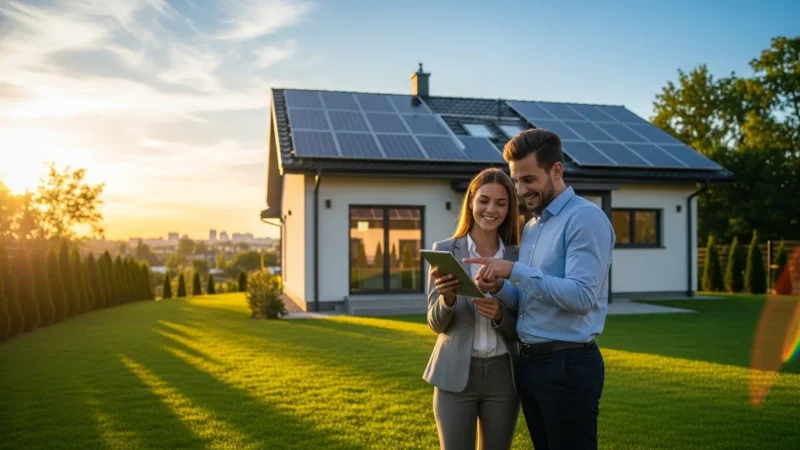
As we navigate through 2026, the real estate market has undergone a profound transformation, moving away from purely aesthetic appeal toward measurable performance and ethical responsibility. Investors and homeowners alike are no longer just looking at square footage or prime locations; they are scrutinizing the long-term viability of their investments. This is where the synergy between Sustainable Properties and ESG Seals becomes the defining factor of modern wealth.
In an era of rising energy costs and heightened environmental awareness, a building’s ability to minimize its footprint while maximizing comfort is not just a “green” choice—it is a sophisticated financial strategy. By integrating Environmental, Social, and Governance (ESG) principles into the very bricks and mortar of our homes, we are seeing a significant shift in how equity is built and maintained over time.
Understanding the intersection of Sustainable Properties and ESG Seals is essential for anyone looking to stay ahead in the 2026 economy. We have moved past the point where solar panels were considered a niche luxury. Today, they are part of a broader ecosystem of efficiency that includes smart water management, passive cooling designs, and non-toxic building materials.
These features contribute to a property’s “Green Premium”—a measurable increase in market value compared to non-certified buildings. This premium is driven by a new class of “conscious buyers” who are willing to pay more upfront to secure lower operational costs and a higher quality of life. In this article, we will explore the tangible financial benefits of these certifications and provide actionable insights on how you can upgrade your current assets to meet these rigorous new standards.
The Financial Impact of Investing in Sustainable Properties and ESG Seals
The core of the argument for Sustainable Properties and ESG Seals lies in the reduction of “Operating Expenses” (OpEx). In the 2026 fiscal climate, energy prices remain volatile, and traditional utility grids are under increasing pressure. Properties that possess high-level energy efficiency ratings—such as LEED, EDGE, or local BREEAM equivalents—act as a hedge against inflation.
When a building consumes 40% less electricity than its neighbors, that saved capital essentially acts as an untaxed dividend for the owner. Over a decade, these savings can amount to a significant portion of the property’s original purchase price. Furthermore, banks and financial institutions are now offering “Green Mortgages” with preferential interest rates for certified homes, directly lowering the cost of capital for the savvy investor who prioritizes sustainability from the outset.
Beyond the immediate utility savings, the presence of Sustainable Properties and ESG Seals significantly reduces the risk of “Asset Obsolescence.” As municipal governments worldwide introduce stricter carbon tax regulations and energy disclosure laws, properties that fail to meet minimum efficiency standards risk becoming “stranded assets.” These are buildings that will eventually require prohibitively expensive retrofits to remain legal or tradable.
By securing a recognized ESG certification today, you are essentially future-proofing your portfolio. This certification serves as a third-party validation of quality, providing peace of mind to future buyers and institutional investors who are increasingly mandated to hold a certain percentage of “green” assets in their funds. This demand creates a floor for your property’s value, even during market downturns.
Furthermore, the “S” and “G” in ESG—Social and Governance—play a surprisingly large role in residential valuation. In 2026, the social aspect refers to the “Health and Wellness” of the inhabitants. Features like advanced air filtration systems, natural lighting optimization, and acoustic insulation contribute to the occupants’ productivity and mental health.
In the rental market, buildings with these attributes command higher rents and experience lower vacancy rates, as tenants view their home as an extension of their wellness routine. The governance aspect ensures that the property is managed with transparency and ethical standards, which simplifies the due diligence process during a sale. When you combine these elements, the valuation uplift is not just a result of better windows; it is the result of a superior, low-risk management model.
Advanced Energy Efficiency Technologies for Property Valorization
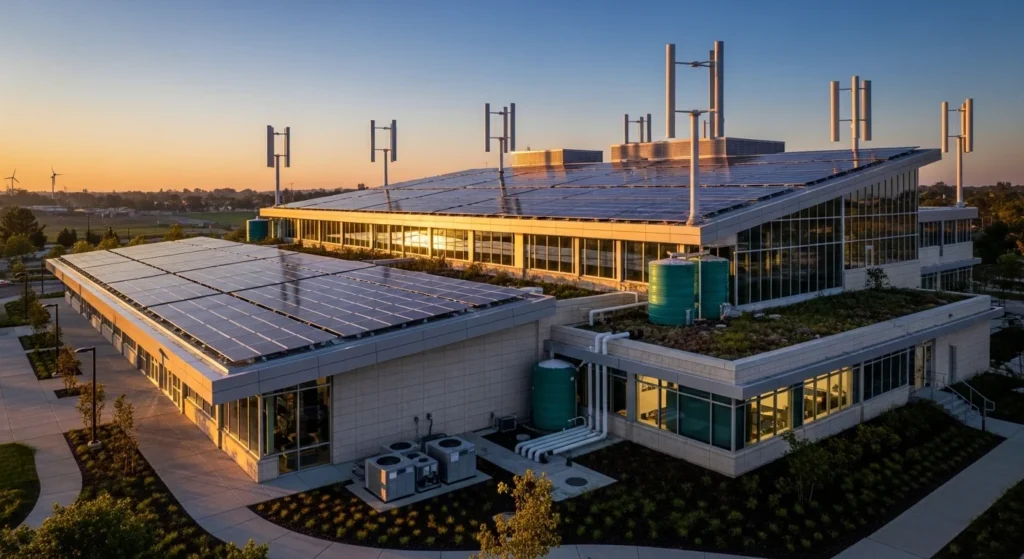
To truly participate in the trend of Sustainable Properties and ESG Seals, one must look at the “Smart Grid Integration” of the asset. In 2026, homes are no longer passive consumers; they are active participants in the energy market. Utilizing Vehicle-to-Home (V2H) technology, where your electric car’s battery powers your house during peak hours, is a prime example of high-level efficiency.
Properties equipped with bidirectional charging and integrated AI energy management systems are seeing a 15% higher valuation in the luxury and upper-middle-class segments. These systems automatically shift heavy loads to off-peak hours, ensuring the household always operates at the lowest possible cost. This level of automation is a key selling point that traditional homes simply cannot match.
Another critical area is the “Envelope Performance” of the building. This refers to the high-performance insulation and glazing technologies that have become standard in Sustainable Properties and ESG Seals. Vacuum-insulated glazing and phase-change materials (PCMs) in walls can maintain a stable indoor temperature without the constant need for HVAC intervention.
In tropical or fluctuating climates, this “Passive Design” is the ultimate luxury. It provides thermal comfort even during power outages, which is a significant safety and comfort feature in 2026. When listing a property, providing a detailed “Energy Performance Certificate” (EPC) that shows a top-tier rating can be the deciding factor for a buyer who is wary of future climate-related costs.
Water scarcity has also moved to the forefront of the ESG conversation. Sustainable Properties and ESG Seals now routinely include graywater recycling systems and rainwater harvesting for irrigation and sanitation. In many growing urban centers, water tariffs have outpaced electricity hikes.
An asset that can provide its own water for landscaping or toilet flushing is not just environmentally friendly; it is economically resilient. These systems are relatively simple to install during a renovation but add a layer of sophistication to the property’s mechanical profile. Buyers in 2026 view these systems as essential infrastructure, similar to how they viewed high-speed internet a decade ago, recognizing that resource independence is a vital component of long-term asset security.
Strategic Retrofitting to Achieve ESG Standards in Existing Assets
For many owners, the goal is to transform their current holdings into Sustainable Properties and ESG Seals through strategic retrofitting. This process begins with an “Energy Audit,” which uses thermal imaging to identify where the building is losing value. In 2026, the most cost-effective upgrades often start with “Low-Hanging Fruit” like switching to smart LED ecosystems and high-efficiency heat pumps.
These interventions require minimal structural change but yield immediate improvements in the property’s EPC rating. The goal is to move the property up the certification ladder incrementally, documenting each improvement to build a “Sustainability Dossier” that can be presented to appraisers and potential buyers to justify a higher asking price.
The next level of retrofitting involves “Biophilic Design” and green roofing. Integrating vegetation into the building structure does more than just look good; it provides natural insulation and reduces the “Urban Heat Island” effect. In 2026, many cities offer property tax rebates for buildings with certified green roofs.
This direct reduction in annual tax liability is a powerful argument for the economic value of Sustainable Properties and ESG Seals. Furthermore, these features enhance the “curb appeal” of the asset in a way that resonates with the psychological needs of modern urbanites who crave a connection to nature. This emotional connection often translates into a faster sale and a more committed buyer, reducing the “Time on Market” (ToM) for the seller.
Lastly, the digitization of property management is a cornerstone of the “Governance” aspect of ESG. Installing an IoT-based monitoring system allows the owner to track resource consumption in real-time. This data is invaluable when it comes time to sell or lease the property.
Being able to prove, with verified data, that your apartment has a lower carbon footprint than 90% of the market is a powerful marketing tool. In the 2026 real estate landscape, “Data is the New Oil,” and properties that come with a transparent history of efficiency are the most highly prized. This level of transparency builds trust, which is the most valuable currency in high-stakes real estate transactions, ensuring that your Sustainable Properties and ESG Seals investment stands out in a crowded marketplace.
Market Trends: The Rise of Green Financing and Institutional Demand

The institutional shift toward Sustainable Properties and ESG Seals cannot be overstated. In 2026, Pension funds and Real Estate Investment Trusts (REITs) are under immense pressure to report on the carbon intensity of their portfolios. This has created a “Flight to Quality,” where large-scale buyers are aggressively acquiring certified green buildings.
This institutional demand trickles down to the individual homeowner; if the large buildings in your neighborhood are going green, the value of your smaller, uncertified property will eventually suffer by comparison. By aligning your personal real estate strategy with these macro-economic trends, you are positioning yourself to ride the wave of institutional capital that is currently flooding the green sector.
- Tax Incentives: Many jurisdictions now offer “Eco-Rebates” that cover up to 30% of the cost of sustainable renovations.
- Lower Insurance Premiums: Insurance companies in 2026 offer discounts for ESG-certified properties, as they are statistically less likely to suffer from climate-related damage.
- Increased Resale Velocity: Data shows that sustainable homes sell 20% faster than traditional homes in major metropolitan areas.
- Premium Rental Yields: Corporate tenants often have “Green Lease” mandates, requiring them to only rent spaces with recognized ESG seals.
The concept of “Net Zero” has moved from a corporate slogan to a residential reality. In 2026, a “Net Zero Ready” home is one that produces as much energy as it consumes over the course of a year. These Sustainable Properties and ESG Seals are the gold standard of the industry.
While the initial investment might be 10-15% higher than a conventional build, the “Internal Rate of Return” (IRR) is vastly superior when factoring in the total cost of ownership. As we move deeper into the decade, the gap between “Green Assets” and “Brown Assets” will only widen, making it imperative for wealth-builders to prioritize efficiency today to ensure the liquidity of their assets tomorrow.
Future-Proofing Your Wealth Through Sustainability
As we have explored, the transition toward Sustainable Properties and ESG Seals is not a temporary fad but a structural realignment of the global real estate market. The integration of energy efficiency, social wellness, and transparent governance into property development has created a new benchmark for what constitutes a “High-Value Asset.” In 2026, the real estate market rewards those who view their properties as living systems rather than static structures.
By investing in these technologies and certifications, you are not only contributing to a more sustainable planet but are also executing a rigorous financial plan that maximizes yield and minimizes risk in an increasingly uncertain world.
The journey toward a certified green portfolio requires a shift in mindset—from looking at “upfront costs” to analyzing “life-cycle value.” Whether you are an individual homeowner or a professional developer, the path to success in 2026 involves a deep commitment to the principles of Sustainable Properties and ESG Seals. As energy regulations tighten and buyer preferences continue to evolve, the “Green Premium” will eventually become the “Green Requirement.
By acting now, you can capture the early-mover advantage and ensure that your real estate legacy is both profitable and purposeful. The house of the future is efficient, it is certified, and it is the most secure place for your capital in the years to come.
Frequently Asked Questions (FAQ)
What is the most recognized ESG seal for residential properties in 2026? While LEED remains a global leader, the EDGE certification has gained significant traction for residential buildings due to its focus on measurable savings in energy, water, and embodied energy in materials. Additionally, many local “Green Building Councils” have developed specific seals that are highly regarded by regional banks.
Can I get an ESG seal for an older apartment? Yes, through “Retrofit Certification” programs. You will likely need to conduct an energy audit and implement specific upgrades—such as window replacement, HVAC modernization, and smart meter installation—to meet the minimum threshold for a seal.
Does energy efficiency really impact the appraisal value? Absolutely. In 2026, most certified appraisers use a “Green Addendum” that specifically accounts for the reduced operating costs and increased longevity of sustainable features. In many markets, this adds between 7% and 15% to the final valuation.
Are ESG seals worth the administrative cost? For high-value properties or those intended for the rental/resale market, the answer is usually yes. The seal acts as a “Quality Guarantee” that can prevent price haggling and attract a higher tier of institutional or conscious buyers who prioritize verified performance.

My name is Alessandro Santos Souza, 47 years old, a tireless explorer of the digital universe. I am more than a content creator:
I am a true navigator of emerging technologies, with a burning passion for intelligence and innovation.